
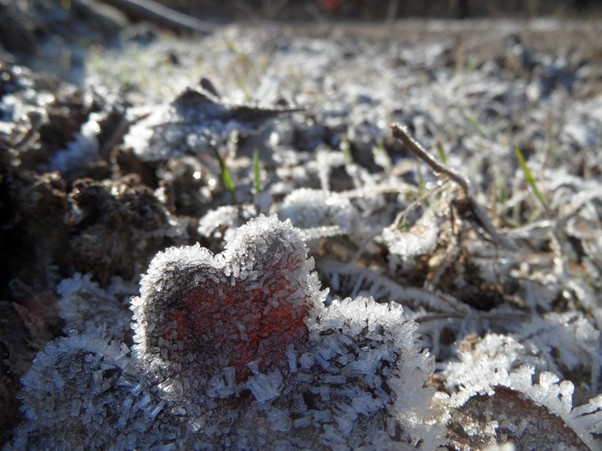
As winter arrives and growth slows across parks, gardens, and landscapes, it is tempting to view the soil as dormant until spring returns. In reality, Winter marks one of the most important stages in the annual soil cycle. Below the surface, a complex community of microorganisms continues to function, organic matter breaks down at a steady pace, and the biological foundations for next year’s growth quietly take shape.
At Enrich Environmental, our work with composts, engineered soils and organic amendments provides a close-up view of how winter conditions influence soil health. Although plant activity may reduce, the soil system remains active throughout the colder months. Understanding this winter soil biology is essential for anyone involved in landscaping, amenity management, ecological restoration or just in your home garden.
Soil Is Alive Year-Round, Even in Winter
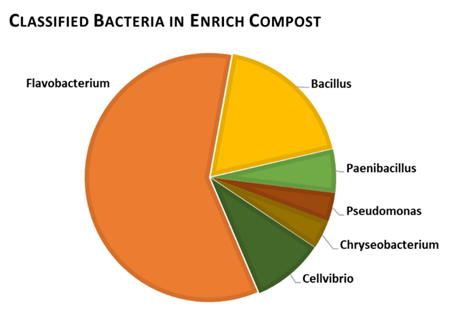
Healthy soil contains a highly diverse living community. Even during cold periods, bacteria remain active in the damp soil. Fungi continue to break down lignin and cellulose, particularly in mulched beds and woodland soils. Actinomycetes, which are involved in humus formation, remain functional at temperatures lower than many other organisms. Their combined activity ensures that organic matter continues to transform during the winter months.
This slow winter activity plays a crucial role in stabilising nutrients and building long-term fertility. Although decomposition progresses more gradually, the underlying processes remain continuous. Winter is therefore far from a dormant period. It is a stabilising phase that sets the stage for vigorous soil activity in early spring.
Winter Decomposition and Nutrient Cycling
The breakdown of organic matter during winter has several important consequences for soil function. As compost and plant residues decompose, nutrients begin to mineralise at a slow pace. This creates a reservoir of available nitrogen, phosphorus, potassium, and micronutrients that becomes accessible as soil temperatures rise.
Winter is also a key period for the development of soil aggregates. Microbial by-products act as natural binding agents that enhance structure. Well-aggregated soils improve water movement, aeration, and root penetration, all of which support plant establishment. These structural improvements often form during cold months when biological activity is slower but more stable.
Another important aspect of winter decomposition is its effect on carbon. Lower soil temperatures reduce microbial respiration, allowing a greater proportion of organic carbon to stabilise into humus. This contributes to long-term soil resilience, water retention and carbon sequestration.
The Role of Compost in Winter Soil Health
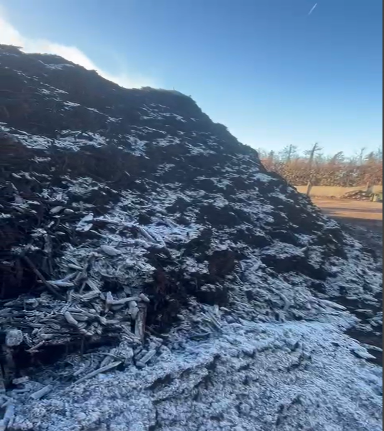
Compost plays a particularly valuable role during winter. Applied in late autumn or early winter, compost provides a protective layer that helps buffer soils from rapid freeze-thaw cycles. This insulation reduces structural damage and protects fine roots from repeated temperature fluctuations. In Ireland’s climate, where winter temperatures often hover around freezing, this thermal protection is especially beneficial.
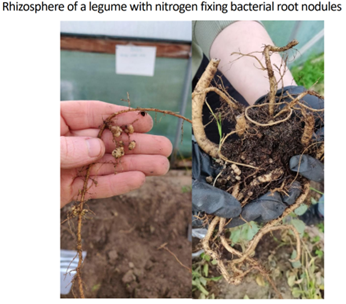
Compost also sustains microbial activity during colder months. Even when temperatures drop, these organisms require an energy source. The organic material within compost provides soluble and complex carbon compounds that support the soil food web through winter. This helps maintain a healthy microbial community ready to accelerate activity once temperatures rise.
In engineered soils used in green roofs, landscaping schemes, tree pits and sports surfaces, compost enhances drainage during high rainfall periods. Improved porosity reduces winter waterlogging, which is one of the principal causes of compaction and anaerobic conditions.
The Soil Food Web in Winter
The winter period marks a temporary reorganisation of the soil food web. Earthworms move deeper into the soil profile but continue to feed during milder periods. Fungi often become more dominant relative to bacteria, which is significant for perennial systems such as woodland planting and wildflower meadows. Predatory organisms typically enter a state of reduced activity but recover quickly when temperature and moisture conditions improve.
The presence of compost supports this seasonal shift by providing a continuous energy source. This maintains stability within the soil food web and encourages a rapid resurgence of biological activity in early spring.
Winter Management for Healthy Soils
Effective winter soil management can significantly enhance the performance of both natural and engineered soils. Applying compost in late autumn supports nutrient stabilisation and structural development over the winter months.

Mulching perennial beds before winter protects crowns and root systems while helping to reduce frost heave. Mulched soils retain warmth and biological activity for longer. In the case of engineered soils, such as those used for green roofs and bioretention systems, installing material ahead of winter allows for natural settlement and enhanced stability.
Long-Term Soil Resilience
Winter contributes significantly to soil resilience. Organic matter is gradually transformed into humus, soil microorganisms stabilise and reorganise, and soil structure becomes stronger and more aggregated. These subtle but important changes influence soil performance throughout the following year.
Compost amplifies these natural processes. By providing organic carbon, nutrients and structural benefits, it supports both biological activity and long-term soil improvement. This integration of natural cycles and recycled organic materials reflects the core principles of the circular economy. Returning compost to the land at the right time of year enriches the soil, enhances biodiversity and supports sustainable landscape management.
Conclusion
Winter is a transformative period for soil. Although growth above ground slows, the processes that shape soil health continue beneath the surface. Compost applications made before winter help insulate soils, sustain microbial activity and support the slow transformations that improve structure, fertility and resilience.
At Enrich Environmental, we see winter as the beginning of the next growing cycle. Understanding what happens in the soil during this season allows landscapers, local authorities and green infrastructure professionals to make informed decisions that enhance both short-term performance and long-term sustainability. Winter soil biology is an engine that never stops. By supporting it with high quality compost, we help landscapes thrive year after year.
